
Voice messages are transforming communication on social media
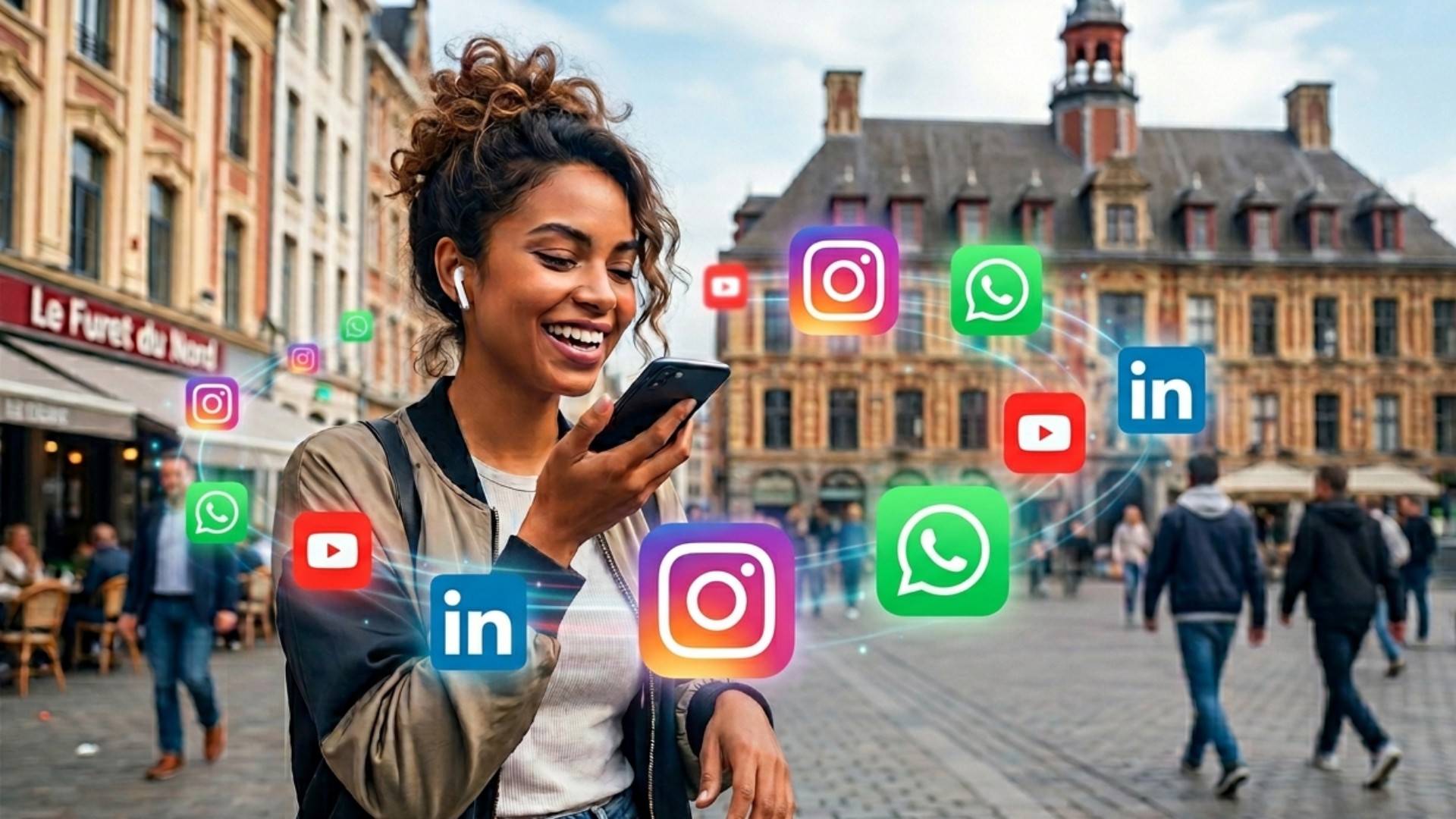
Voice messages on social media are revolutionizing the way we communicate online. By 2026, this audio format will have far surpassed private messaging to become the norm across all social media platforms. This shift marks a turning point toward more authentic and personal digital communication.
WhatsApp: 7 billion voice messages per day
WhatsApp has made voice messages mainstream on social media, with 7 billion sent daily. These voice messages account for 5% of the 150 billion messages exchanged on the platform every day.
The Meta app now allows users to set it as their default messaging app, replacing traditional text messages. This integration confirms that social audio has become a natural and preferred form of communication.
YouTube launches voice replies to comments
Since January 2026, YouTube has allowed creators to respond to comments with voice messages of up to 30 seconds.
How do I use this feature?
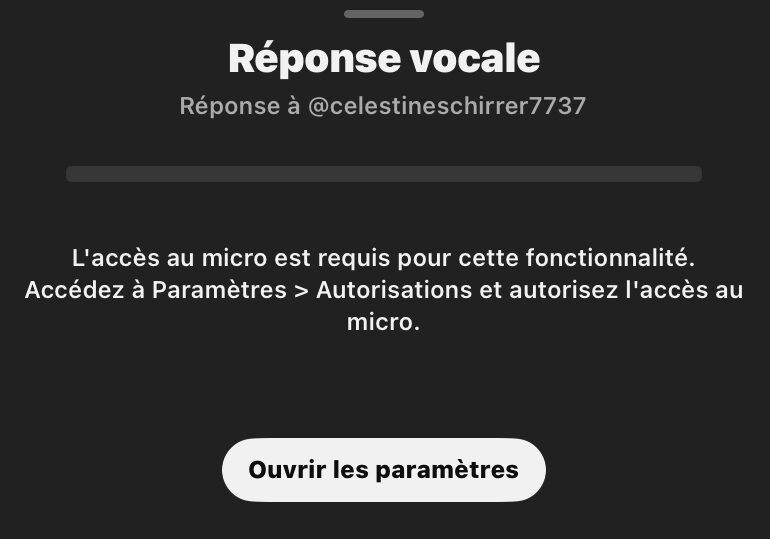
Available via the mobile app or YouTube Studio:
- Go to the comments section of your video
- Select the voice memo icon
- Record your audio response (30 seconds max)
This innovation is part of YouTube’s conversational strategy, alongside community posts and Hype Points.
Instagram DMs: 5-minute voice messages with transcripts

Instagram offers social media voice messages up to 5 minutes long, complete with an automatic transcript.
The benefits of this dual functionality
- People on the go can listen
- Users in the meeting are reading the transcript
- People with hearing impairments can easily access the content
For brands, these voice DMs present opportunities in customer service and community management. This potential remains largely untapped.
LinkedIn: A 30% to 40% increase in response rates with voice messages

On LinkedIn, voice messages (up to 60 seconds long) generate 30 to 40% more responses than text messages.
Why do voice messages work on LinkedIn?
Differentiation: They stand out in a market flooded with automated messages
Authenticity: Since they are difficult to automate, they ensure a personalized approach
Effectiveness: With only 60 seconds, you must deliver a clear, high-quality message
42% of users prefer voice messages
According to Edison Search, 42% of social media users prefer voice messages for their personal communications. Authenticity and emotional expression are the main reasons behind this choice.
The human voice conveys tone, emotion, and spontaneity—elements that are impossible to convey in writing, even with emojis.
How Brands Can Leverage Voice Messages on Social Media
Businesses can take advantage of this underutilized channel:
Personalized customer service
Responding with your voice creates a stronger emotional connection than a standard message.
Communication with influencers
Voice messages make it easier to have genuine conversations with brand ambassadors.
Instagram Live Streams
Use audio in your broadcast channels to share exclusive content and foster a sense of intimacy on a large scale.
An alternative to audio newsletters
Centralize your audio content directly on the platforms where your audience is already active.
Voice messages vs. podcasts: What's the difference?
Voice messages are different from podcasts:
- Format: Spontaneity of speech vs. preparation for podcasts
- Duration: 30 seconds to 5 minutes vs. long-form content
- Context: Social audio fits into a conversation
On the other hand, they can compete with audio newsletters by offering an alternative that is more seamlessly integrated into the social media ecosystem.
The Challenge of Voice Activation for Brands
The adoption of voice messages raises a strategic question: who will speak?
The voice physically embodies the brand. This embodiment requires defining:
- Legitimate spokespersons
- Tone and vocal style
- Frequency and contexts of use
Social audio: a must-have format in 2026
Voice messages on social media address a need for authenticity in an impersonal digital environment. For creators and brands, social audio offers an opportunity to stand out and connect with communities.
In the age of generative AI, the human voice remains a powerful marker of authenticity. The question is no longer whether or not to adopt voice messages, but how to incorporate them into your social media strategy.